Manhattan, NYC
Dementia Prevention Acupuncture — Brain Health Support
Acupuncture for Brain Health
What is Dementia Prevention Acupuncture?
This is brain-health support acupuncture — scalp and body needling aimed at sleep, circulation, stress load and focus, the modifiable factors that surround cognitive ageing. Sessions run 50 minutes weekly for the first 8–12 weeks, then taper to every 2 weeks. No acupuncture protocol has been shown to prevent dementia, and we do not claim otherwise.
Clinic facts
- Rating
- 5.0 / 5 · 23 Google reviews
- Experience
- 15+ years · 2 licensed L.Ac.
- First visit
- 75 minutes
- Follow-up
- 45–60 minutes
- Address
- 408 West 57th Street, Suite 1K, New York, NY 10019
- Hours
- Mon–Fri 9am–7pm · Sat 9am–5pm
- Phone
- (212) 265-2052 · text (347) 875-2805
- Languages
- English · 中文
Who Can Benefit?
Dementia prevention acupuncture is a quiet, often-overlooked corner of our Manhattan practice. The patients who book it tend to fall into a few groups: someone in their late 50s or early 60s who has watched a parent decline and wants to do whatever they can while they still have time; a working professional who notices new word-finding difficulty after long Zoom days and isn't ready to dismiss it; a caregiver bringing in a partner with mild cognitive impairment to slow the trajectory; and post-COVID patients whose memory and concentration never fully bounced back. We treat all of these at our West 57th Street clinic near Columbus Circle.
From a TCM perspective, cognition lives at the intersection of kidney essence (jing) and heart-spleen function. Kidney essence is the constitutional resource you inherit and slowly spend through life; the heart houses the shen (mind, consciousness); the spleen produces blood that nourishes both. When any of these is depleted — by aging, chronic illness, poor sleep, or prolonged stress — cognitive symptoms surface. The TCM approach to dementia prevention isn't a single 'memory point' but a long-game pattern correction: tonifying kidney yin, calming the shen, building blood, and clearing any phlegm or stasis that's clouding the upper jiao.
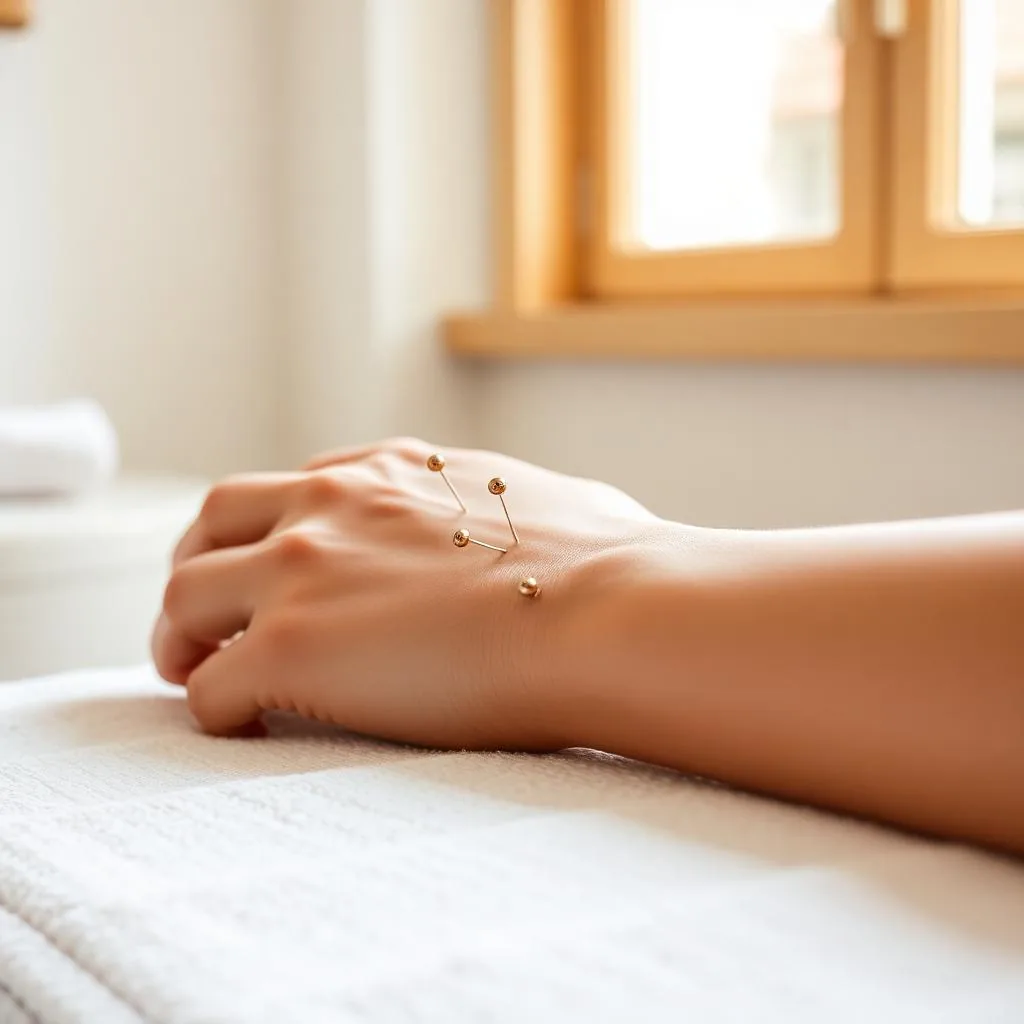
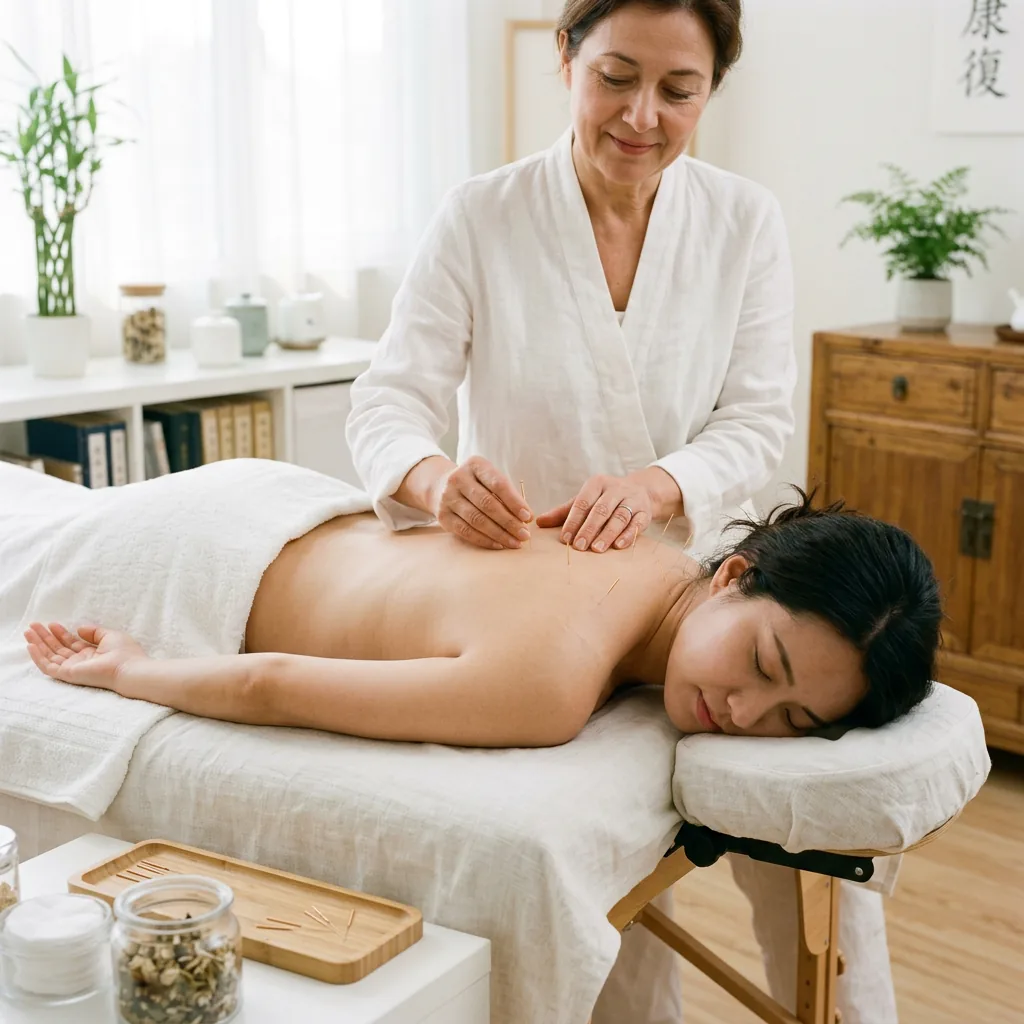
On a treatment day, sessions combine scalp acupuncture (on motor and cognitive zones developed by Dr. Jiao Shunfa) with body points along the kidney, heart, and du meridians. We use Du 20 (Bai Hui — the 'hundred meetings' point at the crown), Yintang (between the eyebrows), and points like Kidney 3 and Heart 7. Most patients drift toward sleep with the needles in. Sessions typically run 50 minutes once a week for the first 8-12 weeks, then taper to every 2 weeks for maintenance.
We are direct about what acupuncture for cognitive health can and cannot do. It cannot reverse Alzheimer's disease. It cannot regrow neurons that have already been lost. What it may do, based on the research that exists, is improve cerebral perfusion, lower neuroinflammation, support better sleep architecture (which is when the glymphatic system clears amyloid), and provide consistent calming for both the patient and their caregiver. We treat this as supportive complementary care alongside neurology follow-up, not as a replacement.
Inside the Treatment Room

Conditions We Treat
Mild cognitive impairment (MCI) — early stage
Word-finding difficulty and tip-of-the-tongue moments
Brain fog and difficulty concentrating
Memory lapses — new-onset, mild
Post-COVID cognitive fog (long COVID)
Sleep-related cognitive issues — non-restorative sleep affecting daytime clarity
Post-stroke cognitive recovery support
Family history of Alzheimer's or vascular dementia
Caregiver stress affecting one's own cognitive bandwidth
Benefits
- · Improves cerebral blood flow — measurable on Doppler studies
- · Supports neuroplasticity and may help build cognitive reserve
- · Reduces neuroinflammation markers in animal and small human studies
- · Improves sleep depth — when the glymphatic system clears brain waste
- · Calms anxiety and depression that often accompany cognitive concern
- · Supports vascular risk factors — blood pressure, circulation
- · Provides regular caregiver respite (a calm hour weekly)
- · No drug interactions — safe alongside donepezil, memantine, statins
What to Expect
- 1
Cognitive & TCM intake (20 min)
We discuss memory concerns, sleep, mood, family history, and current medications, then check tongue and pulse. We also note any cardiovascular history — blood pressure, cholesterol — since brain circulation is part of the picture.
- 2
Scalp & body acupuncture (40 min)
We combine scalp acupuncture on motor and cognitive zones with body points that support kidney essence and spleen function (the TCM organs most tied to memory). Sessions are calm and most people doze off.
- 3
Lifestyle plan
Brain health is built outside the clinic, too. We send you off with simple notes on sleep timing, walking volume, and the food and herb habits that show up in research on cognition.
Brain-Health Acupuncture at a Glance
| What you want to know | Answer |
|---|---|
| Schedule | 50 minutes once a week for the first 8–12 weeks, then tapering to every 2 weeks for maintenance. |
| Session structure | 20 minutes of cognitive and TCM intake, then 40 minutes of scalp and body acupuncture. |
| What it targets | Sleep quality, circulation, stress load and focus — modifiable factors around cognitive ageing, not the disease process itself. |
| What we do not claim | No acupuncture protocol is proven to prevent or treat dementia. If you have memory concerns, see a neurologist first — this is complementary care. |
| Better-evidenced companions | NCCIH's reviews of tai chi and meditation cover balance, stress and sleep in older adults — worth pairing with clinic work. |
Why choose Delight for cognitive support
Dr. Xaoling Shang, L.Ac. (MSTOM, 15+ years) and Dr. Yu Qi, L.Ac. (MSTOM) treat cognitive concerns as part of broader Chinese medicine practice — not as a standalone protocol. That means a session for memory support might also address sleep, blood pressure, or stress in the same visit, because all of those feed into brain function.
We do not claim to treat or reverse Alzheimer's disease. What we can offer is supportive care for early concerns, complementary care alongside neurology follow-up, and the kind of consistent calming that helps both patients and caregivers through a difficult chapter.
Frequently Asked Questions
Can acupuncture cure dementia?
No. There is no cure for dementia. Acupuncture is supportive — it may help with sleep, mood, circulation, and quality of life, and some studies suggest it may slow decline in early stages. It does not replace neurology care.
How early should someone start?
If you notice 'tip of the tongue' word-finding, lost names, or new difficulty with multi-step tasks — and especially if there is family history — earlier is better. Sessions every 1–2 weeks for the first few months tend to be most useful.
Is it safe alongside donepezil, memantine or other meds?
Acupuncture has no drug interaction. Any herbal formula we consider is checked against your medication list first, and we coordinate with your prescribing physician when needed.
I have brain fog after COVID — is that the same as cognitive decline?
Mechanistically they're different, but treatment overlaps. Post-COVID cognitive fog often involves vascular and inflammatory components, plus disrupted sleep — all of which acupuncture can address. We see post-COVID patients who improve noticeably within 6-8 weekly sessions, often faster than aging-related cognitive concerns. If you have not yet been worked up by a neurologist, we'd suggest that in parallel.
Can I bring my parent who already has dementia?
Yes, with realistic goals. For someone already in moderate dementia we won't promise cognitive recovery — but acupuncture often helps with the agitation, sleep disturbance, and constipation that come with the condition, and gives the caregiver a calm hour in a quiet room. Many family members report their loved one is noticeably more settled the evening after a session.
What does scalp acupuncture feel like?
Most patients describe it as a quick tap at insertion, then a mild warm or buzzing sensation in the scalp. The needles are very fine and stay in for the rest of the session. Hair is parted at the insertion site; there's no shaving and no marks afterward. We use sterile single-use needles.
How often, and how long does this need to continue?
An honest answer: indefinitely, if you can. Brain health is built through consistent inputs over years, not through a 10-session course. We typically run weekly for 8-12 weeks to establish a baseline change, then every 2 weeks for several months, then monthly maintenance. Patients who treat it as a long-term wellness investment seem to do best.
Research & references
Every clinical statement on this page traces back to one of these sources. They are U.S. federal health agencies and academic medical centers — not our own marketing.
NCCIH — Mind and Body Practices
NCCIH's overview of the mind-and-body category that acupuncture, tai chi, massage and meditation belong to, and how their evidence bases differ.
NCCIH — Tai Chi: What You Need To Know
Evidence on tai chi for balance, fall prevention in older adults, fibromyalgia and knee osteoarthritis — a low-cost complement to clinic treatment.
NCCIH — Meditation and Mindfulness: Effectiveness and Safety
NCCIH's evidence review on meditation and mindfulness for stress, anxiety, pain and sleep, including where the evidence remains limited.
Citations are summarized — please read the originals. This page is general health education, not medical advice for your specific case. Results vary, and acupuncture and Chinese medicine work best alongside, not instead of, care from your physician.
What Our Patients Say
5.0 · 23 Google reviews5.0 average across 23 verified Google reviews. Shown exactly as written.
★★★★★Amazing! After first acupuncture visit — major improvement. Added cupping and massage — results were immediate and I felt great relief from past pains. Thank you Dr. Shang.
★★★★★Highly recommended! Dr. Shang is a very skilled acupuncturist and I enjoy the treatment every time when I come here.
★★★★★Best acupuncture clinic in town! Dr. Shang is very professional and nice to everyone. I'm coming here regularly and feeling much better now!
Invest in Your Brain Health
Early intervention is key. Schedule your cognitive health consultation today.
Related Services
Acupuncture in Manhattan — Holistic Pain Relief & Wellness
Experience the healing power of Traditional Chinese Medicine at our Manhattan clinic. Our licensed acupuncturists provide safe, effective treatments for pain relief, stress reduction, and overall wellness.
Chinese Herbal Medicine — Natural Healing from Within
Discover the healing power of Chinese herbal medicine at our Manhattan clinic. Our experienced practitioners create personalized herbal formulas to address the root cause of your health concerns—not just the symptoms.
Anxiety & Stress Acupuncture — Find Your Calm
Living in NYC is stressful. Our anxiety and stress acupuncture treatments in Manhattan help you manage anxiety, reduce stress, and restore emotional balance—naturally. Experience deep relaxation and lasting peace.